Begging in Russia
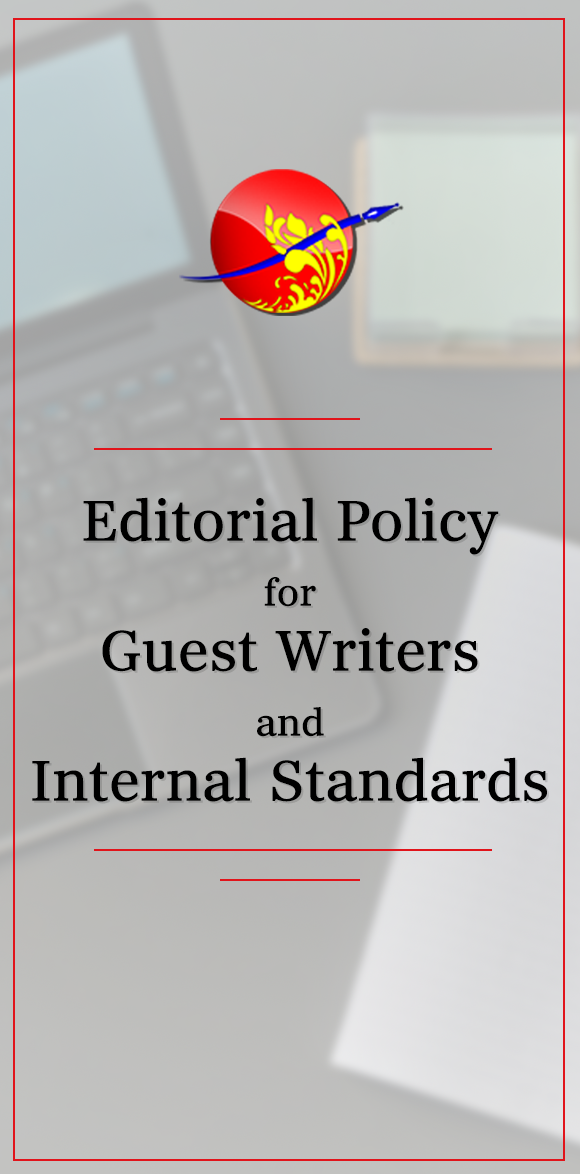
Myanmar’s generals have renewed their efforts to cozy up to the Shanghai Cooperation Organization (SCO)—the China and Russia-led bloc they hope will provide diplomatic shade from the scorching heat of Western sanctions.
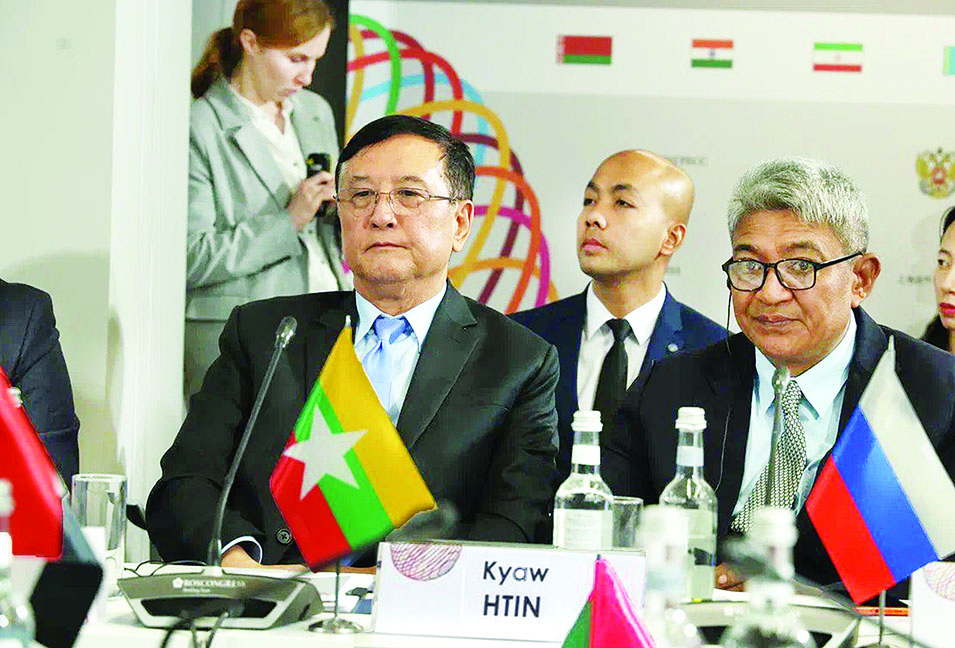
At the SCO Forum on Sustainable Development in Moscow on Monday, Deputy Planning Minister Kyaw Htin solemnly declared that “no country can achieve sustainable development alone.” The irony was hard to miss: a regime that has spent nearly five years dismantling its own economy now insists that collective progress is the answer.

Since his 2021 coup, Min Aung Hlaing has watched foreign embassies withdraw, sanctions pile up, and Myanmar’s key foreign currency banks sanctioned. One of his solutions is to seek refuge in the SCO’s embrace. Myanmar is now a dialogue partner, and Min Aung Hlaing is seeking full-fledged membership in the hope of rescuing an economy ruined by his coup.
Back in September, SCO leaders railed against “powerful nations” they accused of bullying others with political and economic pressure. The junta, ever eager to play the victim, nodded along.
Now, with its sham election looming, the regime is loudly advertising its SCO partnership—as if Moscow’s applause could lend a rubber-stamp poll international legitimacy. In Washington, lawmakers are less impressed, describing the planned vote as a bogus process that will keep Myanmar firmly under Beijing and Moscow’s thumb.
The Ma Ba Tha Election
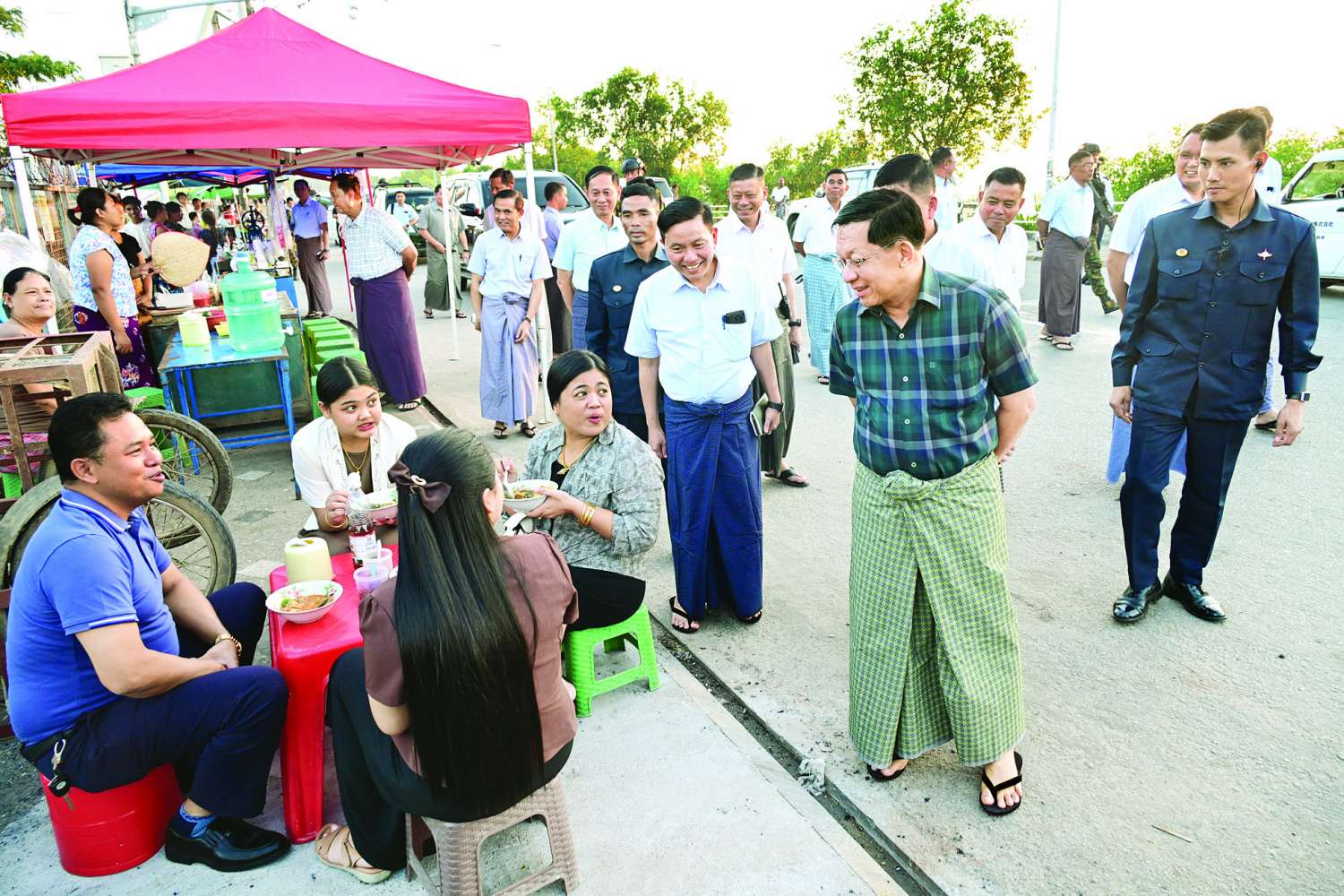
With barely a month left before his much touted election, coup leader Min Aung Hlaing has again preached the virtues of nationalism.
On November 14, at a Young Men’s Buddhist Association ceremony in Yangon, the general declared that modern nations prioritize nationalism above all else, insisting that “national spirit” is essential for prosperity. The following day in Karen State, he urged voters to choose candidates who would “defend race, religion, and the “Three Main National Causes”—a familiar refrain of Myanmar’s military rulers.
Meanwhile, Hla Swe, Naypyitaw chair of the military’s proxy Union Solidarity and Development Party (USDP), highlighted the rise of nationalism around the world, citing US President Donald Trump and Japanese PM Sanae Takaichi as examples, and calling them “US Ma Ba Tha” and “Japan Ma Ba Tha”—referring to Myanmar’s notorious ultranationalist organization.
Calling his own party Myanmar Ma Ba Tha, Hla Swe boasted that its close ties with hardline nationalists would translate into electoral success.
USDP chair Khin Yi has openly fraternized with Ma Ba Tha activists implicated in past religious violence, meeting them regularly to discuss election strategy. The overlap between the junta’s rhetoric and the USDP’s nationalist drumbeat is no coincidence: both are singing from the same hymn sheet, with the military providing the backing choir.
In reality, Min Aung Hlaing’s call to support “defense minded” candidates is a nod to retired generals now running under the USDP banner. As the election approaches, his sudden emphasis on race and religion is no moral crusade but a naked campaign pitch—designed to secure parliamentary backing from the USDP bloc that would crown him president.