Four years after grabbing power by voiding the results of an election judged free and fair by international observers, Myanmar’s ruling generals are pressing India to ratify a new vote widely condemned as a sham to extend their rule.
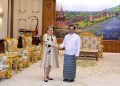
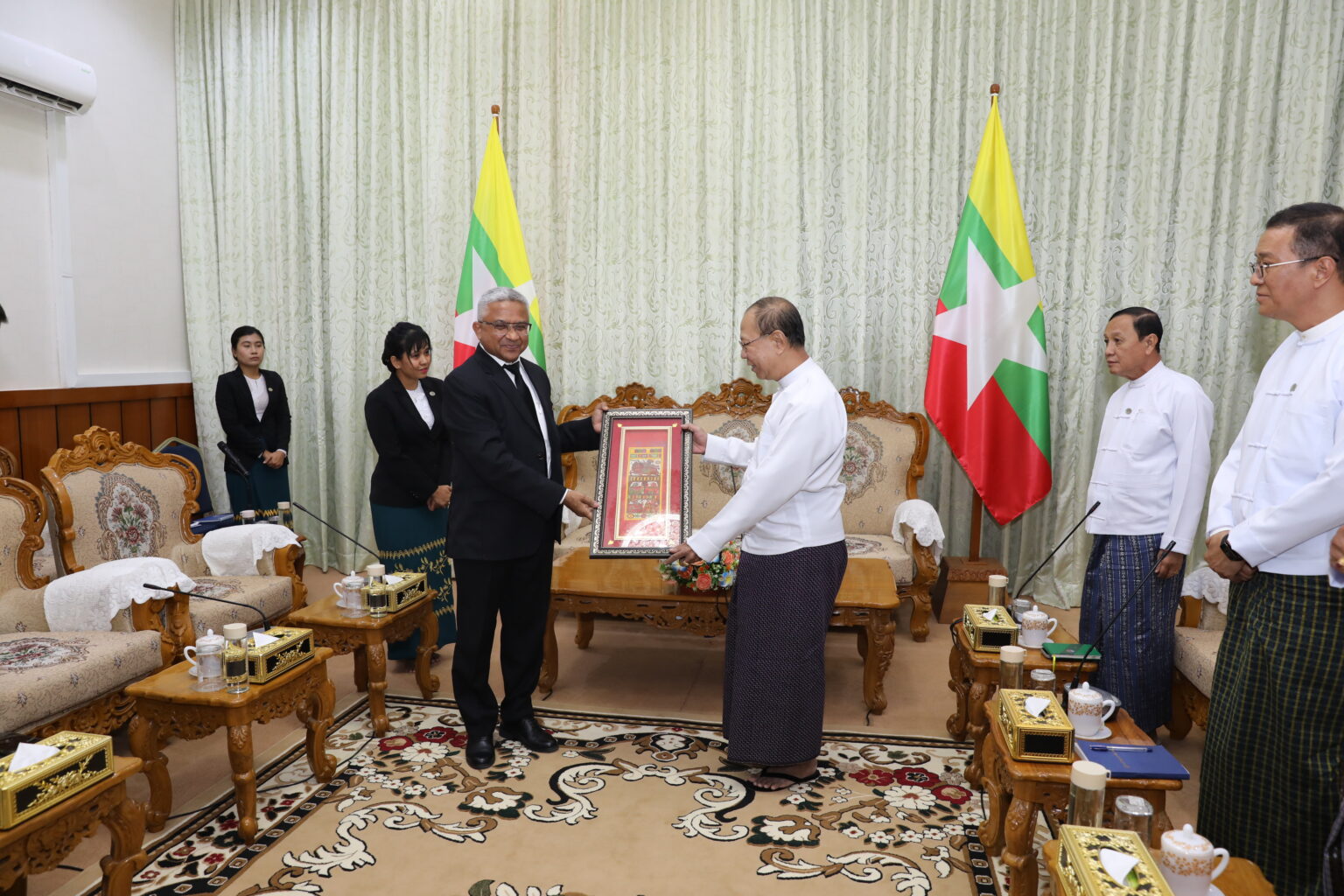
On September 16, the military regime said its Ministry of Foreign Affairs would invite foreign governments and organizations to provide poll monitors via their diplomatic missions. Three days later, Indian Ambassador Abhay Thakur traveled from Yangon to Naypyitaw to meet the junta’s Union Election Commission (UEC) chairman, Than Soe, to discuss arrangements for the December-January elections.
India, the world’s largest democracy, has maintained close ties with Myanmar’s military rulers since the 2021 coup despite widespread international condemnation. New Delhi has engaged with successive UEC chairs, voicing support and pledging technical assistance for the generals’ electoral roadmap.

In June last year, Ambassador Thakur met former UEC chief Ko Ko to offer India’s poll technology and human expertise.
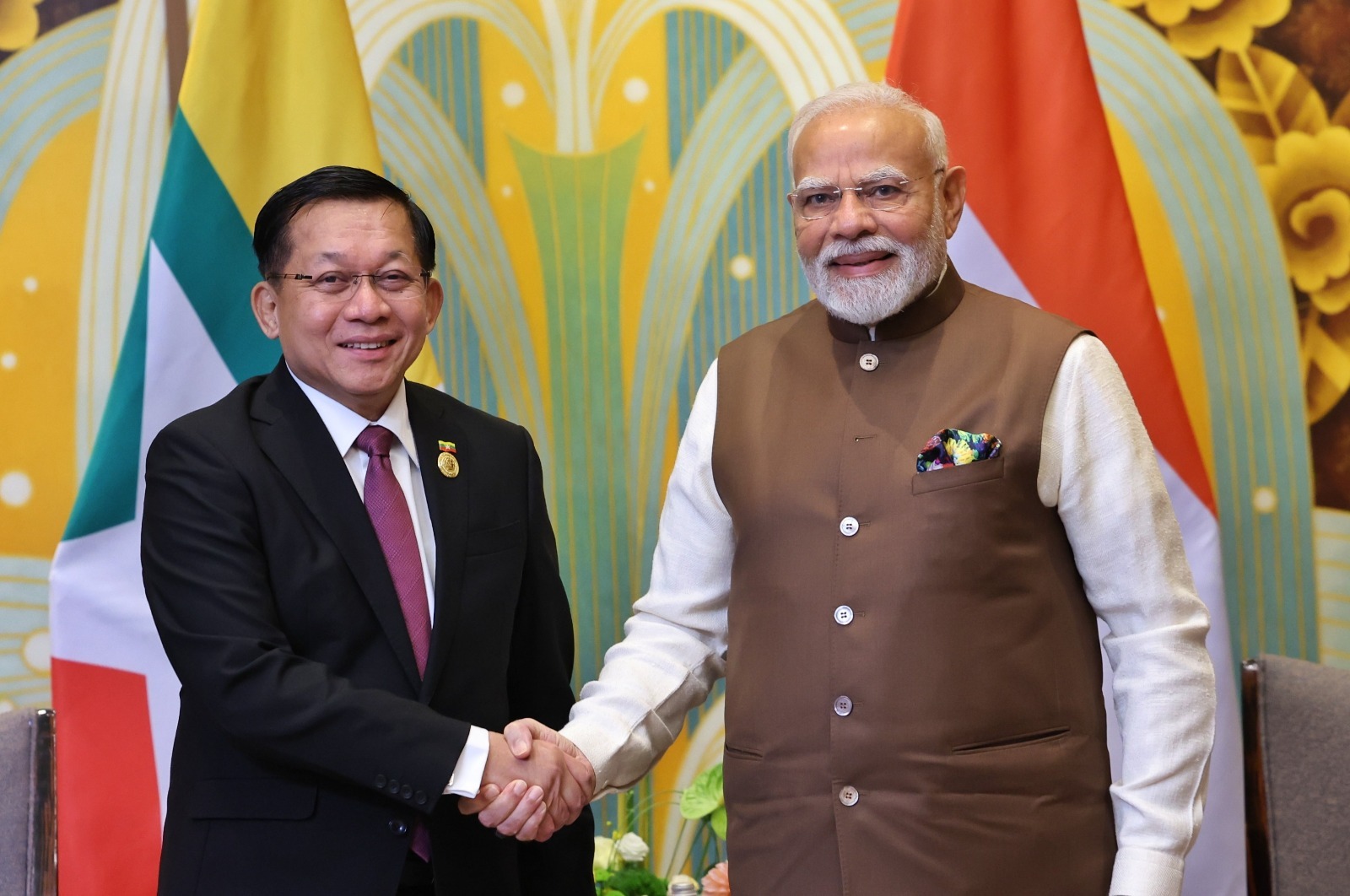
The latest meeting follows an August 31 encounter between Indian Prime Minister Narendra Modi and coup leader Min Aung Hlaing in China, when Modi reportedly expressed support for the junta’s election and said he would consider sending observers.
Min Aung Hlaing followed up with a 75th birthday greeting for Modi on September 17, thanking him for the “understanding and consistent support you and the people of India have shown during our country’s political transitions.”
While Western governments have joined Myanmar’s pro-democracy masses in condemning the junta’s election as a second military power grab, India continues to support the process, vowing technical and human assistance.
India now stands out among the junta’s authoritarian allies – including China, Russia, Belarus, and Cambodia – as the only major democracy backing the junta’s elections. Neighboring Thailand and Laos have also voiced their support. Lao President Thongloun Sisoulith discussed sending poll monitors during China talks with Min Aung Hlaing earlier this month, according to junta media.
The regime has scheduled the first phase of voting for December 28 across 102 townships, with the military-backed Union Solidarity and Development Party expected to dominate in the absence of pro-democracy parties such as the National League for Democracy, whose leaders, including Daw Aung San Suu Kyi, remain in junta jails.