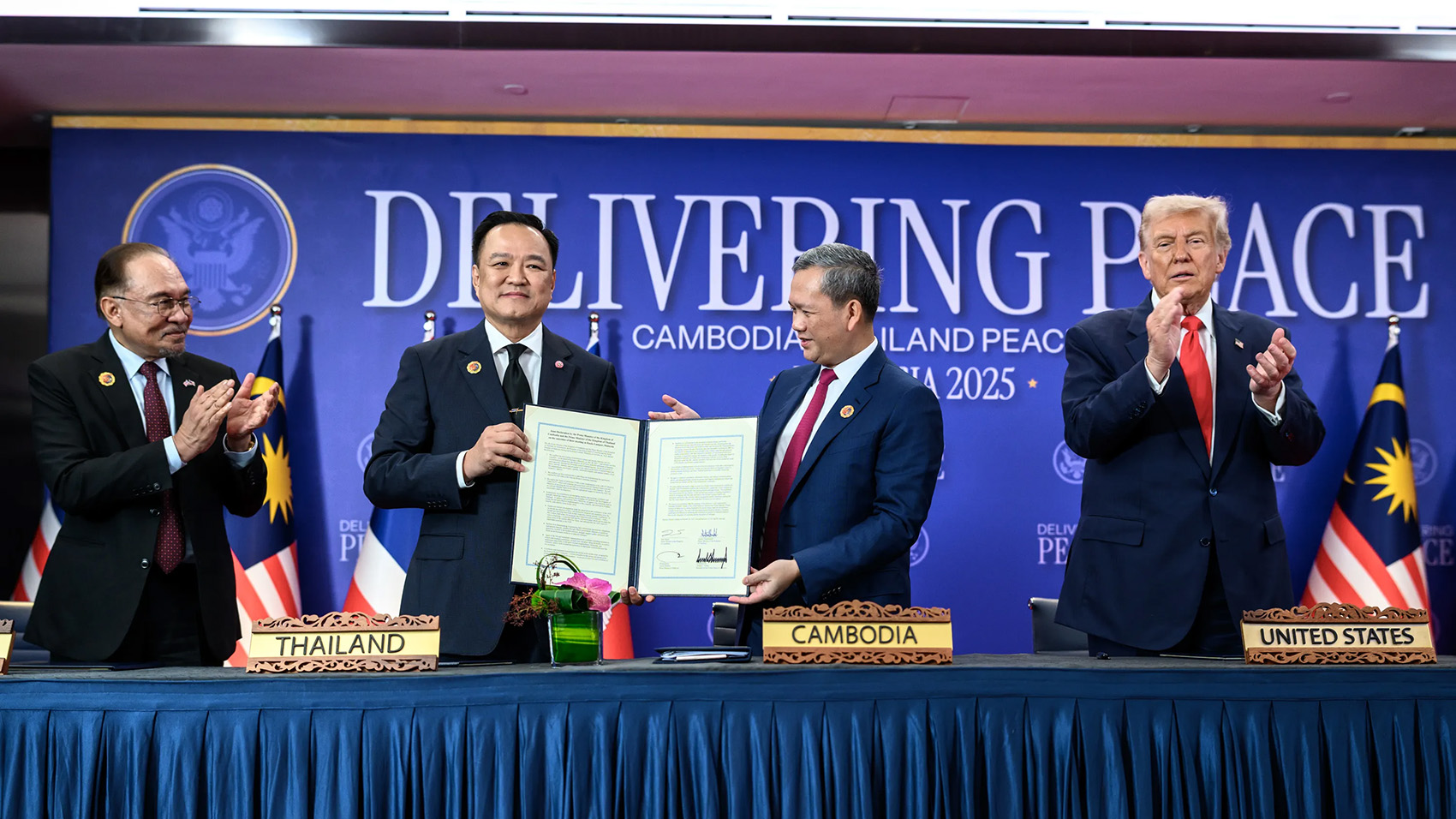
The Association of Southeast Asian Nations (ASEAN) chair, Malaysian Prime Minister Anwar Ibrahim, said it all. Acknowledging US President Donald Trump’s presence during the signing ceremony on Thailand-Cambodia relations on Sunday, he stated: “We, of course, admire your tenacity and courage because the world needs leaders who promote peace strongly.”
With his signature on the joint declaration, Trump can now tell the world he has halted eight wars. In Southeast Asia, those words confirm that Trump is both the world’s renowned dealmaker and peacemaker. ASEAN does applaud his personal dedication to peace—at least for now.
It remains to be seen how the US engages with ASEAN during the rest of Trump’s administration. During his first presidency, he did not have a good record when it came to ASEAN. In November 2017, he left the ASEAN summit in the Philippines halfway through. During that period, ASEAN-US ties were on autopilot. However, this time around, Trump did score high points with ASEAN and managed to assert his role in easing tensions between two ASEAN member states.

However, the 11-member ASEAN is still very concerned about economic security relations with the US, which is considered one of the bloc’s most important trading partners. Any decision on the US tariff rates will immediately impact economic growth and societal development in the region. It will also influence the geopolitical shift in the era of multipolarity. With Trump’s satisfaction over his peace success, the bloc hopes he will soften his approach to the weaponization of trade barriers.
For the time being, not all ASEAN members have concluded trade agreements with the US. It is still an ongoing process. ASEAN is aware that the Trump administration is doing everything it can to counter China’s growing influence across all dimensions in this part of the world. Regional experts agree it is a futile endeavor, as China is too deeply embedded in the region through trade, investment and supply chains.
At the Kuala Lumpur summit, more than officials would like to admit, China was the real winner and all without a shouting match with the US. In support of free trade, China and ASEAN have signed their upgraded ASEAN-China Free Trade Area 3.0, which covers new trade areas including the digital economy, green economy, supply-chain connectivity, competition and consumer protection, among others.
For decades, China has been the No. 1 trading partner of ASEAN. China is also a member of the ASEAN-led Regional Comprehensive Economic Partnership (RCEP). The RCEP leaders’ meeting was strongly committed to multilateralism and trade openness. The world’s largest free trade pact will become a new engine of growth in the broader Asia-Pacific. Hong Kong, Chile, Sri Lanka and Bangladesh have applied, and they will be able to join once they fulfill the criteria agreed at Sunday’s summit.
From a regional perspective, the ASEAN chair has also maximized the participation of the world’s most powerful leaders. It provided Brazilian President Luiz Inacio Lula da Silva with the opportunity to hold bilateral talks with Trump to work on a trade deal. The Malaysian-US ties have been elevated to a comprehensive strategic partnership. The summit also attracted the largest number of 20-plus leaders attending. Malaysia has also raised its international profile and respect as a regional convenor.
When Trump pledged to attend the ASEAN summit back in July, Anwar probably did not have in mind Trump’s presence at the signing ceremony, let alone watching him dancing on the tarmac and getting a ride from Kuala Lumpur International Airport with him in the “Beast” (Trump’s bulletproof limousine) and “breaking the rules and protocols”. Most importantly, the chair has further promoted the relevance of ASEAN for peace and stability.
Kudos must go to all officials who have been working so hard behind the scenes. Malaysia, as the facilitator, has been an essential key player. The US must be considered an accelerator given its influence over the two conflicting parties, Thailand and Cambodia. They are currently negotiating a trading agreement with the US. Trump was very succinct in saying that the US will have robust commerce and cooperation with both nations, “as long as they live in peace”.
ASEAN as an organization must also be given credit. Without the ASEAN spirit enshrined in all its members—especially Bangkok and Phnom Penh—the peace efforts would not have been achieved. Deep down, the ASEAN charter remains the main toolkit that the conflict parties utilize.
At the signing ceremony, judging from the speeches of Thai Prime Minister Anutin Charnvirakul and Cambodian Prime Minister Hun Manet, there were common convictions after taking their “monumental step”.
Anutin described the signing as reflecting “our will to resolve differences peacefully in full respect of sovereignty and territorial integrity”. The country views the accord as a concrete step toward peace and a new chapter for Thailand and Cambodia. However, Anutin reiterated the need for full implementation of the declaration to provide a foundation for lasting peace.
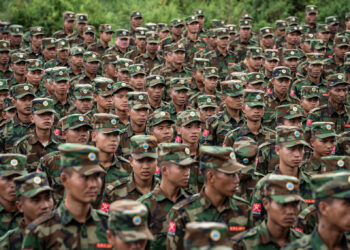
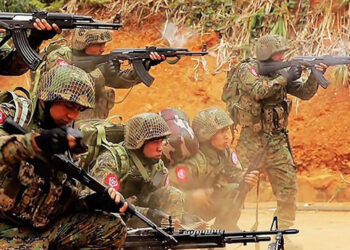
Hun Manet emphasized that conflicts must be settled peacefully, no matter how difficult or complex disputes may be. To his credit, he said that as he spoke, senior commanders from both countries were already in discussions on a phased withdrawal of heavy weapons. He wanted to show that Cambodia was taking implementation seriously.
It is important to remember that the details of the declaration were taken from the agreed minutes worked out since Aug. 7, when the first special General Border Committee held its meeting. For nearly three months, both sides blamed each other for failing to carry out the agreed measures.
It is hoped that last week’s newly signed declaration, with all the fanfare, will allow the so-called ASEAN Observer Team (AOT) to better verify the implementation of the withdrawal of heavy weapons, cooperation in demining, anti-cybercrime and human trafficking operations.
The next three months will be crucial for the reconciliation process, as they are the timeframe for the AOT mandate, which can be renewed if needed. The two countries agreed that each country will have its AOT, selected and approved by the ASEAN chair. All AOT representatives will be granted diplomatic immunity to enable them to perform their work efficiently. Each ASEAN member will dispatch two representatives to each AOT. Both countries agreed that Malaysia should continue to serve as the AOT chair after its rotational chairmanship expires on Dec. 31.
Although Thailand is currently in the mourning period following the death of Her Majesty Queen Sirikit The Queen Mother, the Thai armed forces will remain vigilant and follow the accord. The AOT will closely monitor the action plan for the removal of heavy weapons, covering three phases. Weapon removal began on Sunday.
On the Thai side, heavy weapons in Surin, Lop Buri, Si Sa Ket and Ubon Ratchathani provinces will be removed in tandem with Cambodia’s actions across the border.
Finally, the future of their ties will also depend heavily on how they rebuild mutual trust and work toward normalization. Most importantly, the current media propaganda and inflammatory rhetoric from both sides must stop immediately. The current peace accord is the litmus test for whether Thai and Cambodian media, across all platforms, are actually professional or just a megaphone.
During the past three months, media reports from both sides have done significant damage to people-to-people relations. It may take years or perhaps generations to restore good faith between Thais and Cambodians.
The signing of the peace accord on Sunday is a good start. Real peace depends on follow-through actions and will hinge on trust and restraint from both sides of the border.
Kavi Chongkittavorn is a veteran journalist on regional affairs.
This article first appeared in the Bangkok Post.