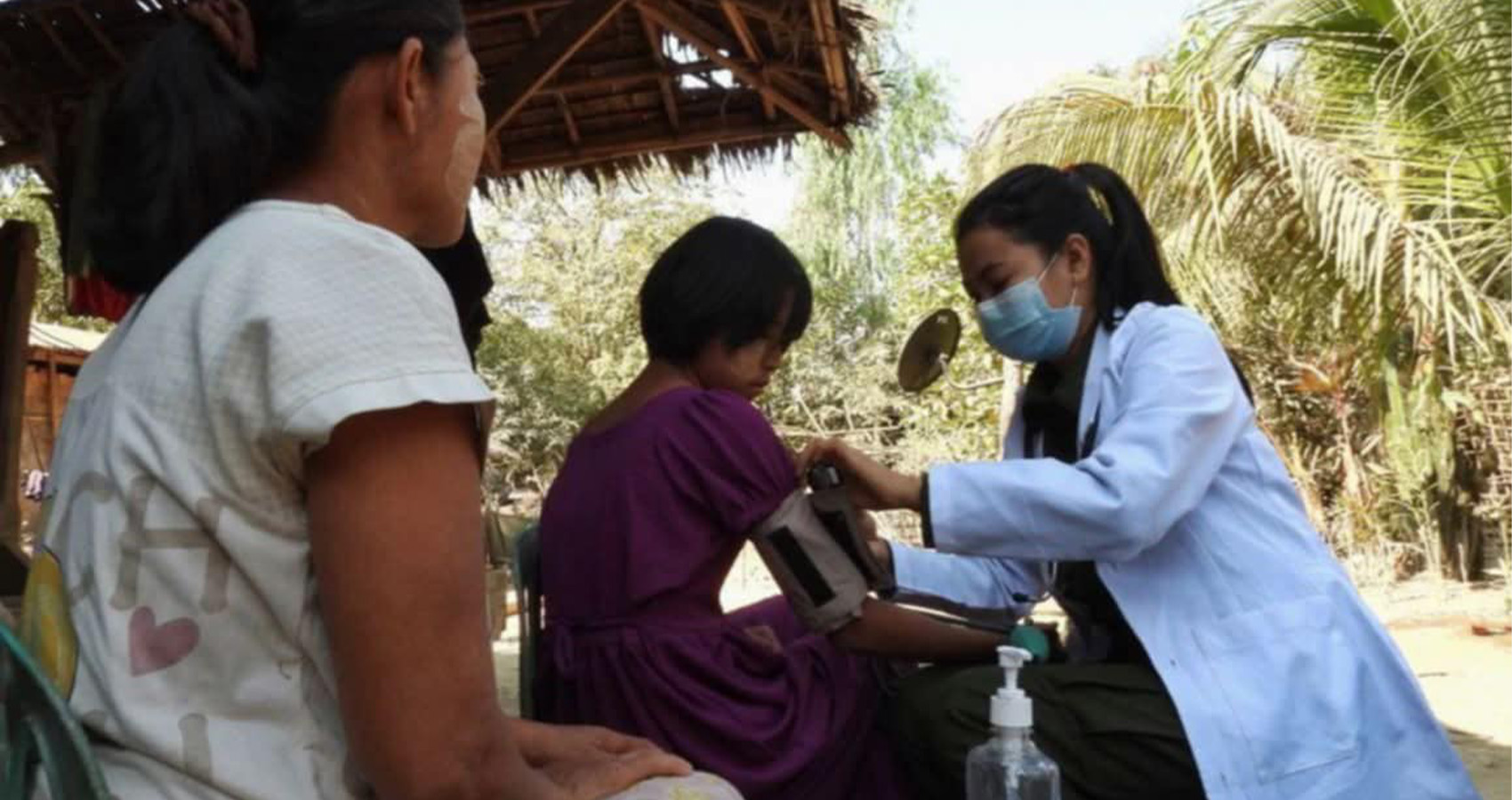
Over 1,000 cases of malaria have been reported in Rakhine State so far this year, surpassing 2024’s total, according to the revolutionary administration, which controls 14 of 17 townships in the state.
Around 20 malaria deaths were reported last year in Rakhine, with more than 30 recorded so far this year.
Most cases have been reported in Ann, Minbya, Myebon, Mrauk-U, Ponnagyun, Kyauktaw, Maungdaw and Rathedaung townships, with a shortage of medical supplies and difficulty accessing treatment contributing to the rise in fatalities, according to health workers.


Ann Township has reported at least 21 fatalities.
Most of the victims were children, with malaria outbreaks reported in villages and displacement camps.
The shortages of mosquito nets, the lack of access to malaria pills and the need to search for food in forests have contributed to the outbreak, health workers said.
An Ann resident said: “We don’t have mosquito nets. People are bitten by mosquitoes as they go into forests to search for food. It is difficult to receive treatment and we don’t have enough malaria pills.”
The highest concentration of malaria cases has been reported along the Ann and Dalet Chuang rivers in Ann Township.
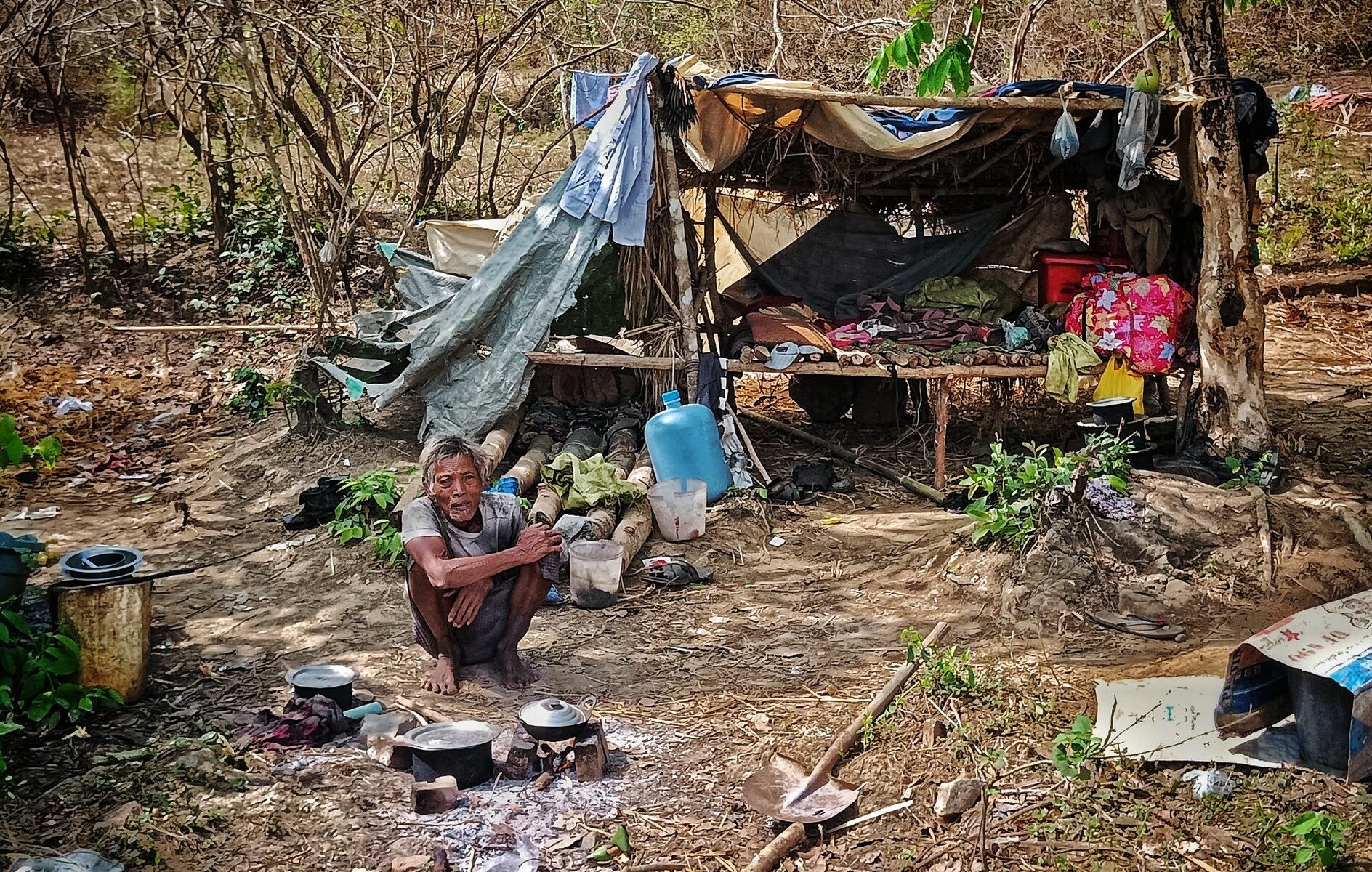
An Arakkha People’s Revolutionary Government staff member said: “Sixteen people have died in villages along the Ann River, with 21 deaths across Ann Township.”
The Arakkha government is the administrative branch of the Arakan Army.
The regime has isolated Rakhine State since fighting broke out in late 2023, causing shortages of food, fuel and pharmaceuticals and price hikes. The regime has blocked roads out of Rakhine State, meaning residents can only leave via Sittwe’s airport, which is still under junta control. The regime tightly controls ticket sales.
Civilians have walked through the Rakhine Yoma or Arakan mountains, where some contracted malaria during the journey, according to residents.
But civilians continue to leave Rakhine, which was ranked the second-poorest state in Myanmar before the 2021 coup.
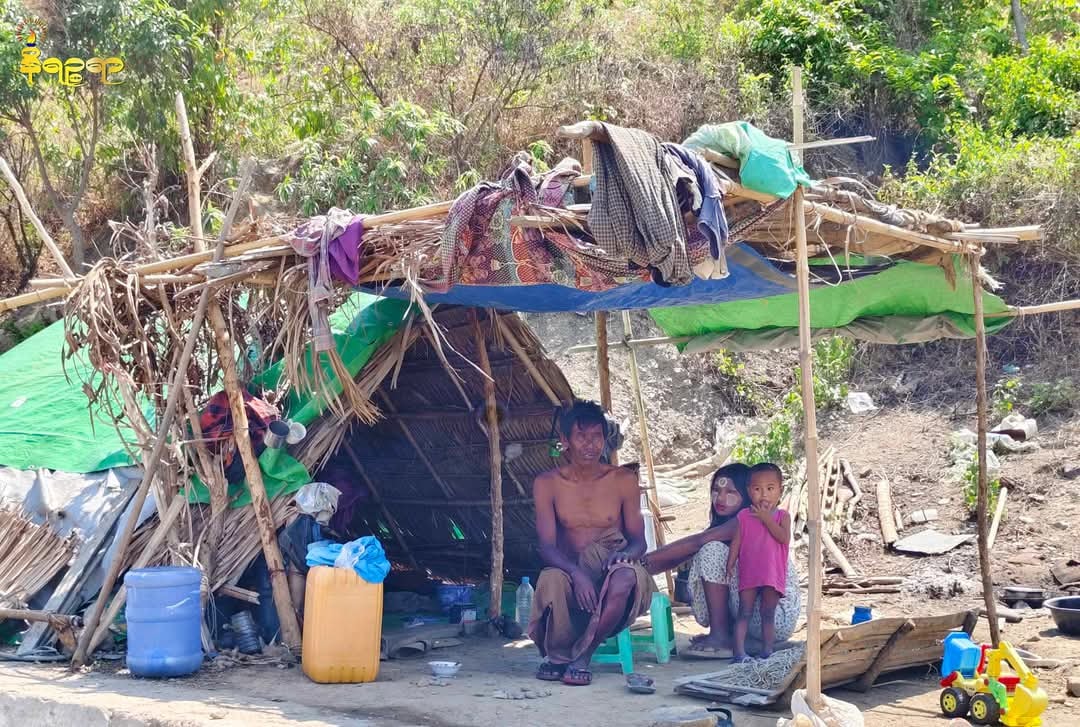
An Arakkha health worker said: “The main problem is we don’t have enough medicines and test kits.”
Previously NGOs provided malaria screening and free treatment but their operations have been seriously disrupted by instability and budget constraints.
A doctor told The Irrawaddy: “Malaria affects vital organs like the liver and kidneys and, without timely treatment, it can be fatal.”
Spraying mosquito repellent and treating water sources with larvicide can slow the spread of the disease but the Arakan authorities lack the resources to take action.
The conflict has also disrupted vaccination programs for children and pregnant women, leading to an increase in stillbirths and deaths among under-fives, according to Rakhine health sources.