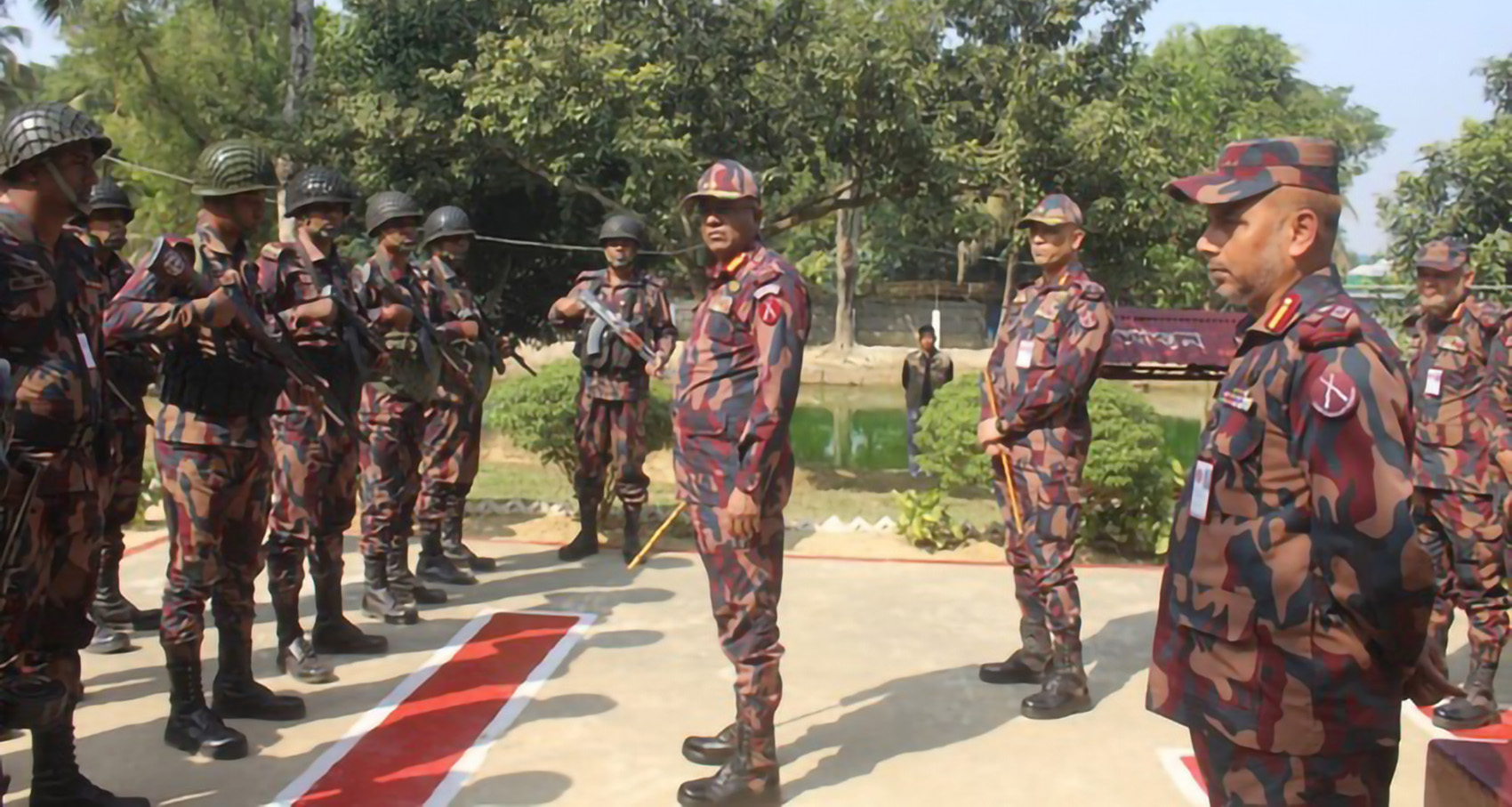
The Arakan Army (AA) has denied allegations from Bangladesh that it is trafficking drugs across the border in exchange for food and other necessities.
The AA described the claims as “baseless and politically motivated,” and accused the Border Guard Bangladesh (BGB) of trying to cover up its own involvement in the narcotics trade.
A report in the Dhaka-based Daily Sun on Sept. 9 cited Bangladesh Coast Guard officers and intelligence sources as alleging that the AA sells narcotics to Bangladesh in return for cash, food, cement, steel, clothing, and other supplies.
The report claimed “dozens” of Bangladeshi syndicates are supplying the AA with goods through at least 17 smuggling routes, and that the AA spends about 70 percent of its drug revenues on firearms and ammunition.
According to the same sources, the drugs come from production hubs in Myanmar’s Shan State.
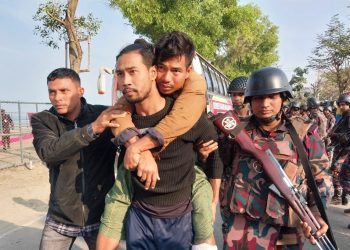
The Daily Sun reported that coast guards have arrested at least 61 smugglers transporting goods. The BGB’s deputy director in Ramoo, Cox’s Bazar, told reporters on Sept. 15 that most narcotics—particularly yaba pills and crystal meth—are trafficked through sea routes, with nearly 80 percent entering via coastal areas such as Teknaf, Maheshkhali, and Kutubdia.
He said drug smuggling has increased since the AA took control of the border, noting that between July and September the BGB conducted 147 anti-narcotics operations, seizing 2.8 million yaba tablets and 816 g of crystal meth and arresting 188 smugglers.
AA spokesperson Khaing Thukha dismissed the allegations as implausible.
“The BGB controls the border so tightly to make sure no goods reach the Rakhine side, so how can Bangladeshis possibly cross into AA-controlled territory to collect drugs?” he said.
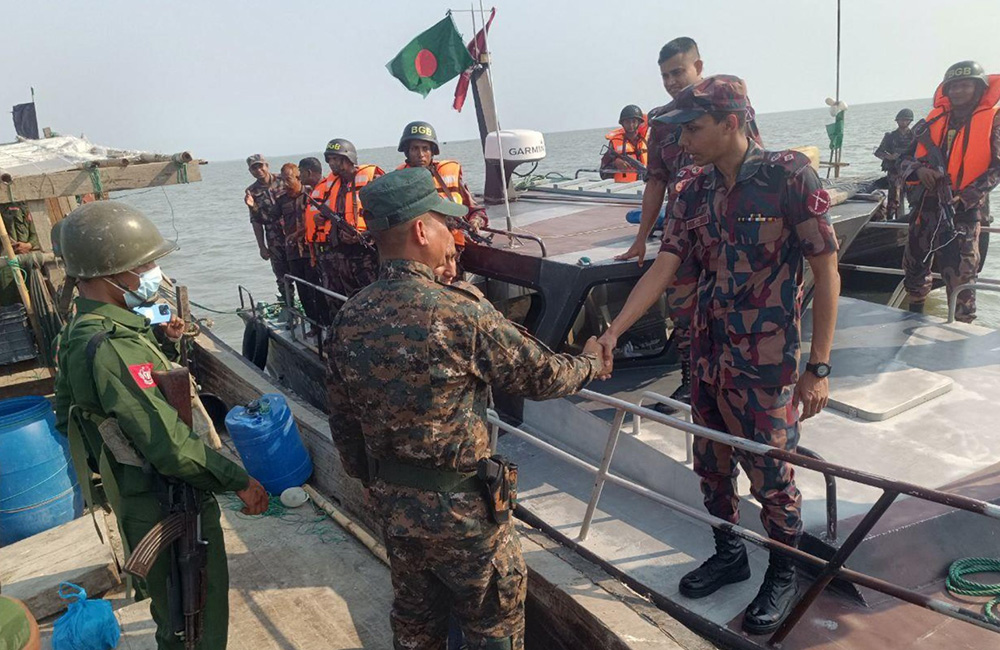
He insisted that the accusations are intended to deflect attention from the BGB’s own role in the drug trade.
Khaing Thukha told The Irrawaddy that since the AA assumed control of the border, drug trafficking there has ceased. Under the Myanmar junta, he said, BGB officers profited from the illicit trade, but they lost those benefits once the AA took over. “In retaliation, the BGB has restricted humanitarian aid such as medicine and basic goods from reaching Rakhine,” he said.
He also alleged that any narcotics seized by Bangladesh authorities originate from junta-controlled Yangon and Sittwe, and are transported by the Myanmar military and allied Rohingya militant groups by boat to Saint Martin’s Island. Some BGB and coast guard officers, he added, are profiting from the trade while scapegoating the AA in collusion with the junta.
The AA also accused the BGB of training and arming extremist Bengali militant groups in refugee camps, stationing them near BGB bases, and enabling them to commit cross-border crimes such as killings, abductions, robberies, rape, drug trafficking, and human trafficking. These actions, the AA warned, “seriously threaten” border stability and regional security.
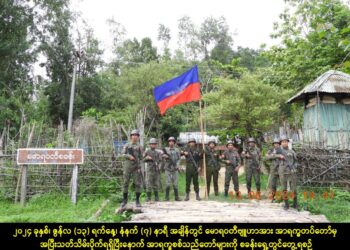
The AA has controlled the entire 271-km Myanmar-Bangladesh border since late 2024, but clashes continue with armed Muslim groups active along the frontier.
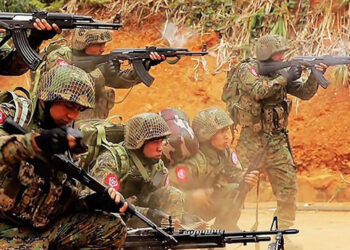
In northern Rakhine, groups such as the Arakan Rohingya Salvation Army (ARSA) and Rohingya Solidarity Organization (RSO)—allegedly trained and armed by the Myanmar military—remain active, and civilians—including Muslims—are frequently killed, according to the AA.