The Chin Brotherhood, a military and political alliance of ethnic Chin armed organizations fighting the military regime, is forging closer ties with Kachin rebels and Myanmar’s parallel National Unity Government.
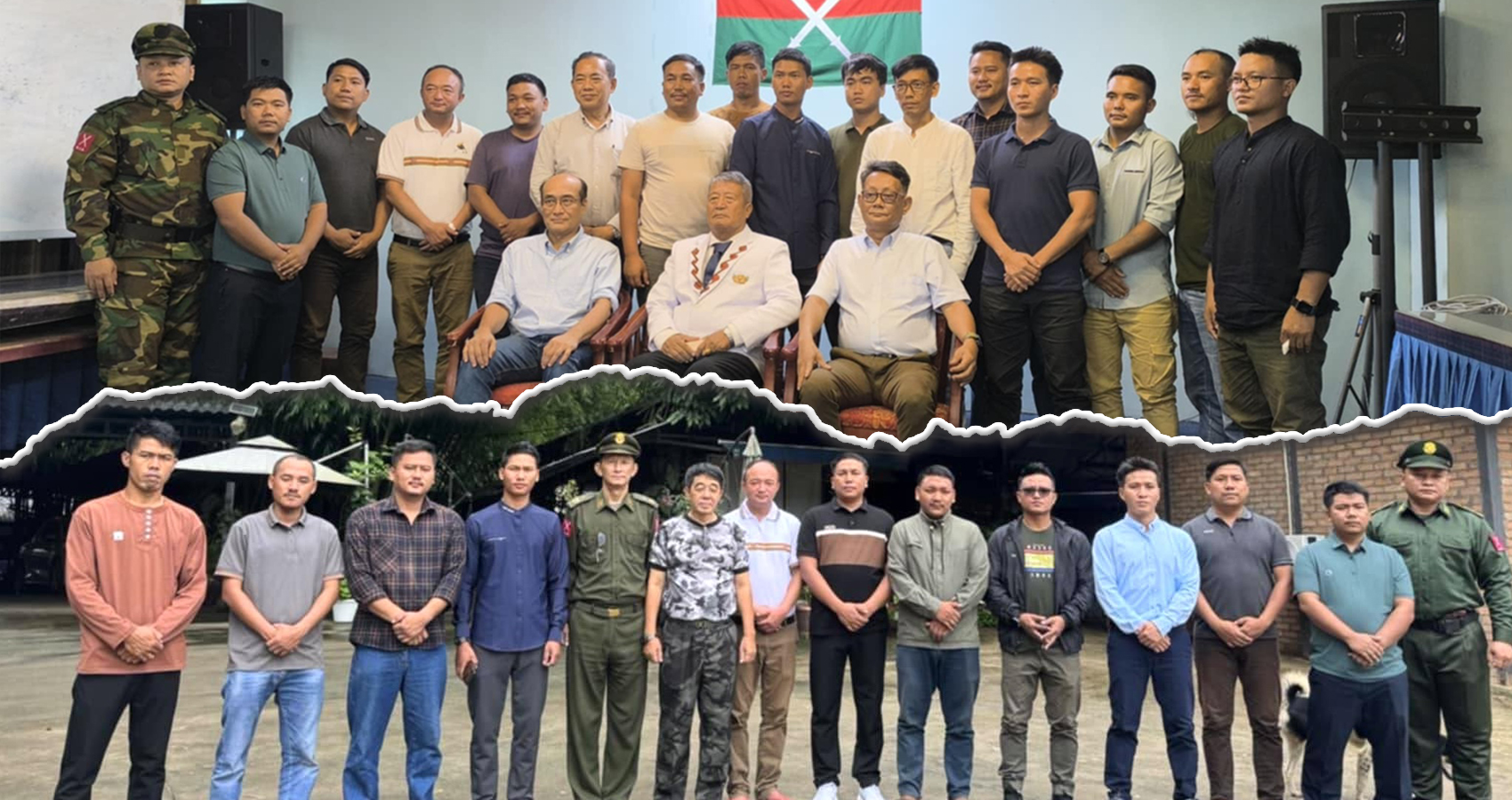
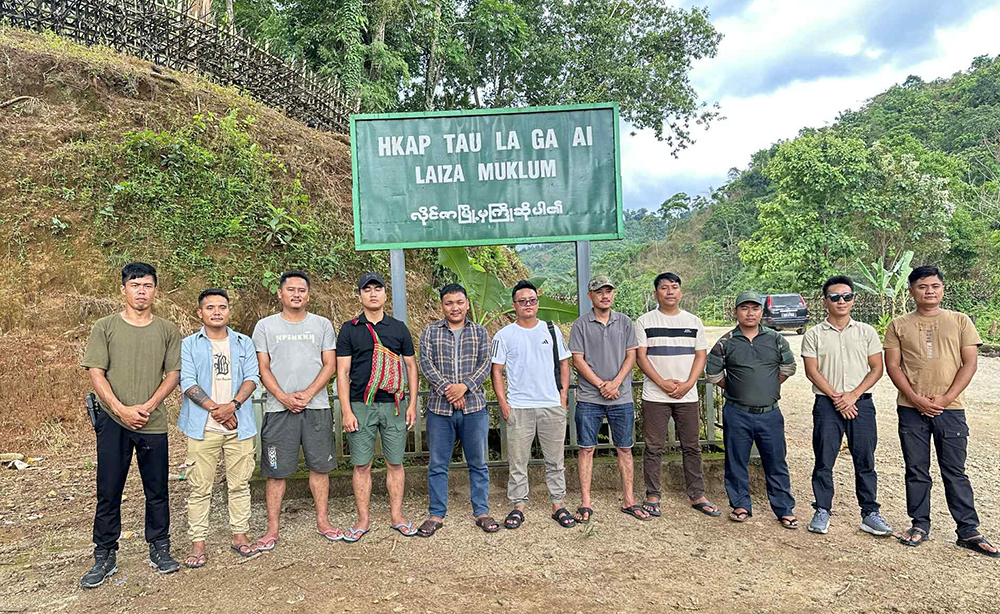
A historic milestone was a recent meeting in Laiza, the remote mountain headquarters of the Kachin Independence Organization/Kachin Independence Army (KIO/KIA), in the third week of July at the invitation of KIO leader Lieutenant-General Gun Maw.
The Chin alliance includes the Zomi Federal Union, Chin National Organization, Mindat Chin National Council, Maraland Defense Force, Kampelet Chin Defense Forces (CDF), and Matupi CDF Brigade 1. But it is increasingly at loggerheads with the rival ethnic Chinland Council.


Here, The Irrawaddy talks to Chin Brotherhood spokesman Salai Yaw Man about the historic meeting in Laiza and the internecine tensions.
How did the Chin Brotherhood’s visit to Laiza come about?
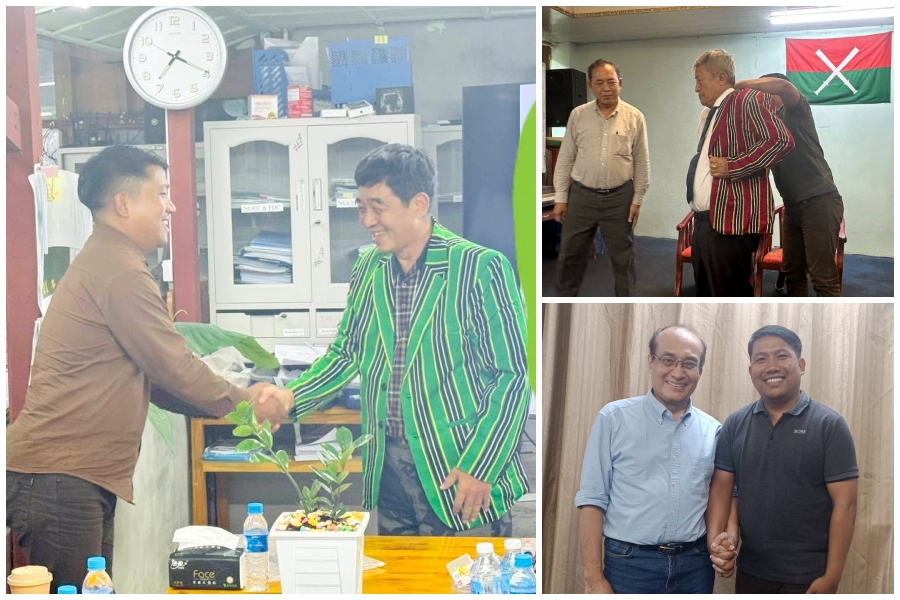
The KIA’s Lt-Gen Gun Maw invited us. At the same time, NUG President Duwa Lashi La and several Union ministers [of the NUG] happened to be gathering there, so we also had a meeting with them.
Who were the key figures you met during the visit?
We met Duwa Lashi La, NUG Deputy Labor Minister U Kyaw Ni, Defense Minister U Yee Mon, Health and Education Minister Dr. Zaw Wai Soe, and [Deputy Health Minister] U Khin Maung Lwin. From the KIA side, Lt-Gen Gun Maw and other senior leaders were present.
What did you discuss with the KIA?
We focused on how to collaborate more strategically in the revolution, foster ties between us, and coordinate efforts to ensure momentum. We discussed roles, responsibilities, and how to synchronize our movements. People will see when we put those discussions into action.
And with the NUG?
That was more than a courtesy call. We had in-depth and cordial discussions about the nature and direction of the revolution, including military and political dynamics. The NUG wanted to understand more about the realities on the ground, and we shared firsthand insights. It was a mutual learning experience, with both sides exchanging lessons and perspectives. We also discussed future collaboration.
How impactful do you think these meetings are for the revolution?
The discussions were affirming and encouraging, but the real impact depends on how well we translate intentions into action. It requires overcoming various logistical and human-resource challenges. It depends on how hard we try. The public will see results when we work. For now, our focus is on doing our job.
How did the KIA and NUG respond to tensions between the Chin Brotherhood and Chinland Council?
The KIA acknowledged that such internal conflicts are part of the revolutionary journey. They shared their own past experiences about how they overcame internal conflicts. They encouraged resolution through dialogue and offered support to mediate. Both the KIA and NUG emphasized resolution through negotiation and urged us to resolve our differences constructively.
Can the current relationship between the Chin Brotherhood and KIA be considered a strategic alliance?
We’ve moved beyond virtual meetings to real-world coordination now. There’s mutual respect, and we value each other. We’re preparing to work together in a more structured and strategic way. So I believe our ties will grow stronger.